- Email: rkrahi2007@gmail.com
- Call: +91 95608 72718

Sports Injuries
in Faridabad, Delhi NCR
Sports Injuries in Faridabad, Delhi NCR
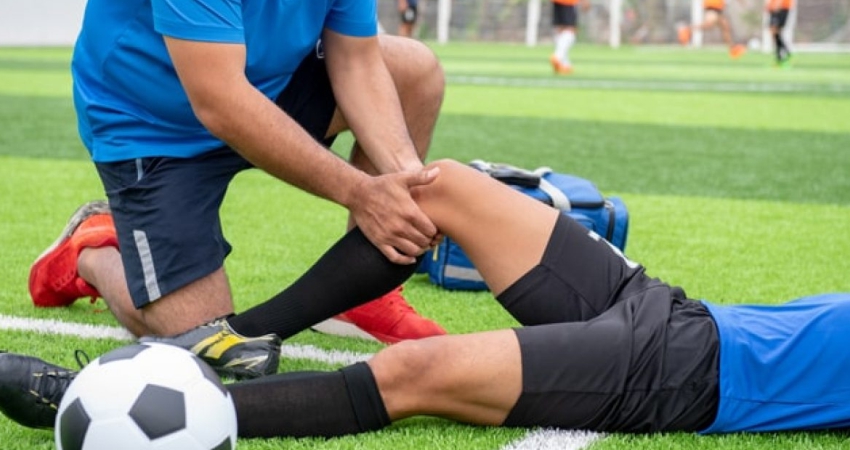
Sports injuries can affect professional athletes, fitness enthusiasts and anyone who participates in regular physical activity. They may involve the knee, shoulder, ankle, muscles, tendons, ligaments, cartilage or bones and can occur because of a sudden impact, twisting movement, fall, overuse or incorrect technique.
Common sports injuries include ligament injuries, muscle and tendon strains, meniscus or cartilage injuries, shoulder injuries, ankle sprains, joint dislocations and sports-related fractures. Early assessment can help identify the extent of an injury and guide an appropriate treatment and rehabilitation plan.
At Dr. Rakesh Kumar Orthopedic Clinic, treatment begins with a detailed assessment of the injury, symptoms, movement, strength, activity level and previous injury history. Imaging such as X-rays or other scans may be recommended when clinically required. Treatment is planned according to the type and severity of the injury and the patient's functional goals.
What Are Sports Injuries?
Sports injuries are injuries that occur while playing sports, exercising, training or performing other physical activities. They can develop suddenly during an accident or gradually because of repetitive stress and overuse.
The severity can range from a minor muscle strain or sprain to a significant ligament tear, cartilage injury, fracture or joint dislocation. The appropriate treatment depends on the injured structure, symptoms, examination findings and activity requirements.
Not every sports injury requires surgery. Many injuries can improve with appropriate protection, activity modification, physiotherapy and structured rehabilitation, while selected injuries may require a surgical procedure.
Common Sports Injuries
Sports injuries can affect different parts of the body depending on the sport, movement, training intensity and mechanism of injury.
- ACL, PCL and other ligament injuries
- Meniscus and cartilage injuries
- Shoulder instability and dislocation
- Rotator cuff and shoulder injuries
- Muscle, tendon and hamstring strains
- Ankle sprains and sports-related fractures
Symptoms of Sports Injuries
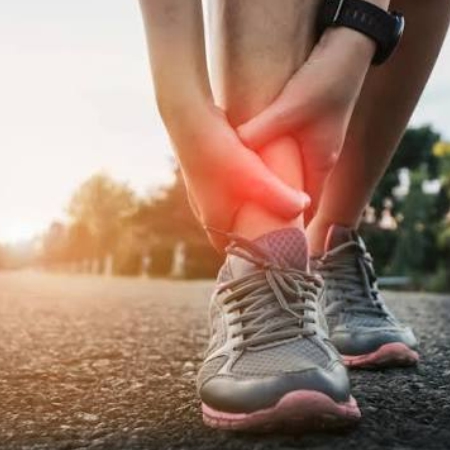
Symptoms depend on the affected body part and severity of the injury. Some injuries produce immediate symptoms, while overuse injuries may develop gradually.
- Sudden or activity-related pain
- Swelling or inflammation
- Bruising around the injured area
- Reduced joint movement
- Weakness or difficulty using the limb
- Joint instability or giving way
Persistent pain, recurrent swelling, instability or difficulty returning to normal activity should not be ignored. An orthopedic assessment can help determine whether a deeper ligament, cartilage, tendon or joint injury is present.
Diagnosis of Sports Injuries
A sports injury diagnosis starts with a detailed history and physical examination. Your orthopedic surgeon may assess pain, swelling, movement, strength, joint stability and the mechanism of injury. Imaging may be advised when needed to evaluate bones and soft tissues.
- Detailed injury and activity history
- Orthopedic physical examination
- Assessment of joint stability and movement
- X-rays when clinically indicated
- MRI or other advanced imaging when required
- Individualised treatment planning
Treatment for Sports Injuries
Treatment depends on the type, location and severity of the injury and the patient's activity goals. Initial management may focus on controlling pain and swelling, protecting the injured area and gradually restoring movement and strength.
- Activity modification and protection
- Pain and swelling management
- Physiotherapy and rehabilitation
- Bracing or support when indicated
- Arthroscopic treatment for selected injuries
- Ligament or structural repair when required
Surgery is considered only when appropriate for the individual injury. The treatment decision takes into account the damaged structure, instability, activity level, sport-specific requirements and response to non-surgical treatment.
Sports Injury Rehabilitation & Recovery
Rehabilitation is an important part of sports injury recovery. The programme may focus on restoring pain-free movement, muscle strength, balance, coordination, joint stability and sport-specific function.
- Restoring range of motion
- Progressive muscle strengthening
- Balance and coordination training
- Joint stability and movement control
- Sport-specific functional exercises
- Gradual return-to-sport planning
Returning to sports too early can increase the risk of reinjury. Your return to running, gym training, competitive sport or other strenuous activity should be based on recovery milestones and guidance from your orthopedic and rehabilitation team.
Preventing Sports Injuries
Some sports injuries can be reduced by preparing the body properly and following safe training practices. Proper technique, appropriate footwear or protective equipment, adequate conditioning and gradual increases in training load can help support safer participation.
- Warm up before sports and training
- Use correct sports technique
- Build strength and flexibility gradually
- Avoid sudden increases in training load
- Use suitable protective equipment
- Allow adequate recovery between sessions
Book a Sports Injury Consultation in Faridabad, Delhi NCR
Persistent sports-related pain, swelling, weakness, joint instability, restricted movement or difficulty returning to activity should be evaluated by an orthopedic specialist. Timely assessment can help identify the injury and guide a suitable treatment and rehabilitation plan.
Consult Dr. Rakesh Kumar for evaluation and treatment of sports injuries involving the knee, shoulder, ankle, muscles, tendons, ligaments and other musculoskeletal structures.
- Phone: +91 - 956 087 2718
- Email: rkrahi2007@gmail.com
- Website: www.drrakeshortho.com
Frequently Asked Questions
Frequently Asked Questions
Frequently Asked Questions
-
What are sports injuries?
Sports injuries are injuries that occur during sports, exercise or physical activity and may involve muscles, tendons, ligaments, joints, cartilage or bones.
-
What are the most common sports injuries?
Common sports injuries include ligament injuries, muscle and tendon strains, meniscus or cartilage injuries, shoulder injuries, ankle sprains, joint dislocations and sports-related fractures.
-
What are the symptoms of a sports injury?
Symptoms may include sudden pain, swelling, bruising, weakness, reduced movement, joint instability, difficulty putting weight on a limb, or pain that continues during activity.
-
Do sports injuries always require surgery?
No. Many sports injuries can be treated with activity modification, appropriate medication, physiotherapy, bracing and rehabilitation. Surgery may be considered for selected injuries with significant structural damage or persistent instability.
-
When should I see an orthopedic surgeon for a sports injury?
An orthopedic evaluation is advisable for severe or persistent pain, significant swelling, instability, suspected ligament or cartilage injury, inability to bear weight, restricted movement, recurrent injury or symptoms that do not improve with initial care.
-
Can I return to sports immediately after an injury?
Return to sports should be gradual and based on recovery, strength, movement, stability and sport-specific function. Returning too early may increase the risk of reinjury.
-
Is physiotherapy important after a sports injury?
Physiotherapy can help restore movement, strength, balance, coordination and joint stability. A structured rehabilitation programme may also support a safer return to normal activity and sport.
-
When may arthroscopic surgery be considered?
Arthroscopic surgery may be considered for selected joint injuries such as certain ligament, meniscus, cartilage or shoulder problems when the injury and clinical findings indicate that a surgical approach may provide benefit.
-
How can sports injuries be prevented?
Proper warm-up, correct technique, gradual conditioning, suitable protective equipment, appropriate training loads and adequate recovery can help reduce the risk of sports injuries.