- Email: rkrahi2007@gmail.com
- Call: +91 95608 72718

Robotic Knee Replacement
in Faridabad, Delhi NCR
Robotic-Assisted Knee Replacement in Faridabad, Delhi NCR
Robotic knee replacement is an advanced approach to partial or total knee replacement surgery. It combines detailed pre-operative planning with computer-guided robotic technology to help the surgeon plan bone preparation and implant positioning for your individual knee anatomy.
For people whose knee arthritis causes persistent pain, stiffness, reduced mobility, or difficulty with everyday activities, knee replacement may be considered after an orthopedic assessment and appropriate non-surgical treatment. The robot is a surgical tool: your orthopedic surgeon remains in control of every decision and every step of the operation.
At Dr. Rakesh Kumar Orthopedic Clinic, treatment planning focuses on your symptoms, X-rays or scans, activity level, medical health, and goals. A consultation will determine whether knee replacement is appropriate and whether a robotic-assisted approach is suitable for you.
What Is Robotic Knee Replacement?
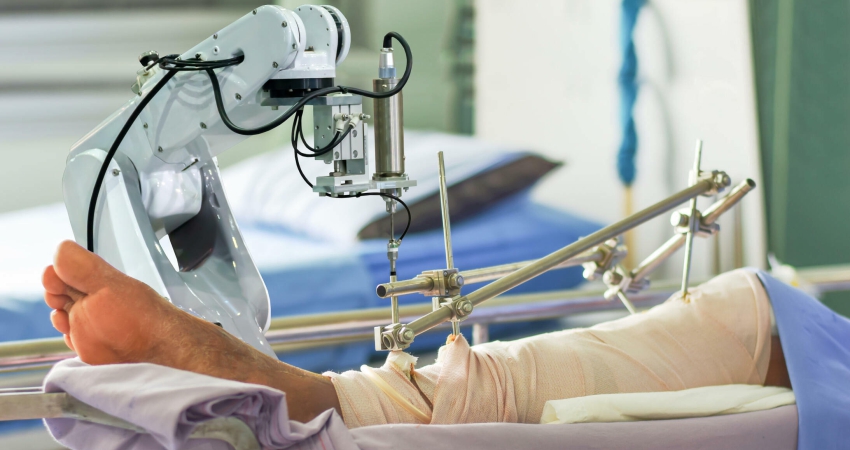
Robotic knee replacement is not surgery performed independently by a robot. It is a surgeon-led knee replacement procedure supported by a robotic system. Depending on the system and procedure, imaging and intra-operative measurements are used to create a personalised surgical plan.
During surgery, the system provides real-time guidance and safety boundaries while the surgeon removes damaged joint surfaces and places the knee implant. This can help the surgeon execute the planned bone cuts and alignment with a high degree of control.
The underlying operation is still a partial or total knee replacement. Damaged cartilage and bone are resurfaced with metal components and a durable plastic bearing to create a new joint surface.
Who May Need Knee Replacement?
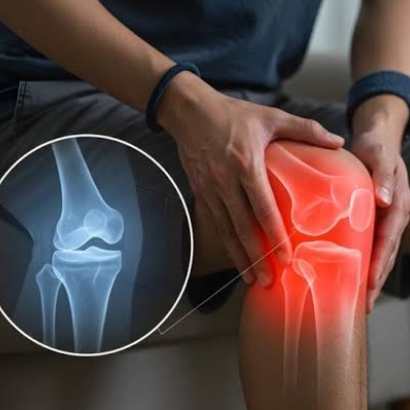
Your orthopedic surgeon may discuss knee replacement when pain and loss of function from arthritis continue despite appropriate treatment such as medication, physiotherapy, activity modification, weight management, or injections. The decision is based on the impact on your life, not age alone.
- Severe osteoarthritis or joint damage
- Knee pain that limits walking or stairs
- Stiffness, deformity, or instability
- Pain that disturbs sleep or rest
- Limited benefit from non-surgical care
- Reduced ability to work or perform daily activities
How Robotic-Assisted Surgery Is Planned
Your surgeon first evaluates the condition of the knee and your overall health. The planning process may include X-rays, a CT scan, or intra-operative mapping, depending on the robotic system used.
- Detailed assessment of knee arthritis and alignment
- Personalised surgical planning
- Surgeon-controlled robotic guidance during surgery
- Real-time verification of planned bone preparation
- Assessment of knee balance and movement
- Implant selection based on clinical needs
Potential Advantages and Important Considerations
Robotic technology can give the surgical team detailed planning information and guidance while performing a knee replacement. It may help achieve the planned positioning and alignment for an individual patient. However, it does not eliminate the usual risks of surgery, and recovery depends on many factors including the condition of the knee, general health, rehabilitation, and adherence to post-operative advice.
- Personalised planning for your knee anatomy
- Guidance to support precise execution of the plan
- Surgeon remains in complete control
- May be used for selected partial or total replacements
- Requires the same commitment to rehabilitation
- Outcomes and recovery vary from person to person
Infection, blood clots, stiffness, ongoing pain, implant wear or loosening, nerve or blood-vessel injury, and the possibility of further surgery are among the potential risks of knee replacement. Your surgeon will discuss the risks, alternatives, and expected recovery in relation to your own health.
Recovery After Robotic Knee Replacement
Early movement and a structured physiotherapy programme are important parts of recovery. Many patients begin standing or walking with support soon after surgery, when medically appropriate. The pace of recovery differs for every patient and your team will advise you on pain management, wound care, exercises, mobility aids, and returning to work, driving, and other activities.
Follow-up appointments allow the surgeon to monitor healing, knee motion, and progress. Contact your care team promptly for concerning symptoms such as worsening pain, fever, wound drainage, increasing redness, calf pain, marked swelling, chest pain, or shortness of breath.
Book Your Consultation Today
Discuss persistent knee pain and your treatment options with Dr. Rakesh Kumar, Orthopedic Surgeon in Faridabad, Delhi NCR. A thorough evaluation can help you understand whether non-surgical care, partial knee replacement, total knee replacement, or a robotic-assisted approach may be appropriate for you.
- Phone: +91 - 956 087 2718
- Email: rkrahi2007@gmail.com
- Website: www.drrakeshortho.com
FAQs
-
What is robotic knee replacement?
It is a surgeon-led partial or total knee replacement that uses a robotic system for planning and real-time guidance. The surgeon performs the surgery and remains in control throughout the procedure.
-
Does a robot perform the surgery by itself?
No. Robotic systems assist the surgeon with planning and guidance; they do not make independent decisions or perform the procedure without the surgeon.
-
Who is a candidate for robotic knee replacement?
Suitability depends on the type and severity of arthritis, knee anatomy, symptoms, previous treatment, general health, and the procedure being considered. An orthopedic examination and imaging are needed to make this decision.
-
Can robotic technology be used for partial and total knee replacement?
Depending on the system and the condition being treated, robotic guidance may be used in selected partial or total knee replacement procedures. Your surgeon will explain the most suitable option for your knee.
-
Is robotic knee replacement safer or better for everyone?
Robotic assistance can support detailed planning and execution, but no approach is right for every patient. It does not remove the normal risks of knee replacement, and individual outcomes vary. Your surgeon can discuss the expected benefits and limitations for you.
-
How long does recovery take?
Recovery is individual. Early walking and physiotherapy commonly begin soon after surgery when appropriate, but rebuilding strength, motion, and confidence takes time. Your rehabilitation plan will be tailored to your progress and overall health.
-
What are the risks of knee replacement surgery?
Potential risks include infection, blood clots, bleeding, stiffness, persistent pain, implant problems, nerve or blood-vessel injury, and the need for further surgery. Your care team will explain risk-reduction steps and warning signs.
-
Will I need physiotherapy after surgery?
Yes. Rehabilitation and regular exercises are important for regaining strength, knee movement, balance, and confidence with daily activities after knee replacement.
-
When should I consult an orthopedic surgeon for knee pain?
Seek an assessment when knee pain, stiffness, swelling, deformity, or instability is persistent, affects sleep or daily activities, or does not improve with appropriate conservative treatment. Urgent evaluation is needed after serious injury or for signs of infection or a blood clot.