- Email: rkrahi2007@gmail.com
- Call: +91 95608 72718

Arthroscopic Shoulder Surgery
in Faridabad
Arthroscopic Shoulder Surgery in Faridabad
Arthroscopic shoulder surgery is a minimally invasive orthopedic procedure used to diagnose and treat selected conditions affecting the shoulder joint. It involves the use of a small camera, called an arthroscope, and specialised surgical instruments introduced through small incisions around the shoulder.
Shoulder arthroscopy may be considered for conditions such as rotator cuff tears, shoulder instability, labral injuries, impingement, cartilage damage, loose bodies and certain other problems that cause persistent pain, weakness or restricted shoulder movement.
At Dr. Rakesh Kumar Orthopedic Clinic, treatment begins with a detailed assessment of your shoulder symptoms, physical examination and appropriate imaging when required. The recommended treatment depends on the specific diagnosis, severity of the condition, activity level and individual treatment goals.
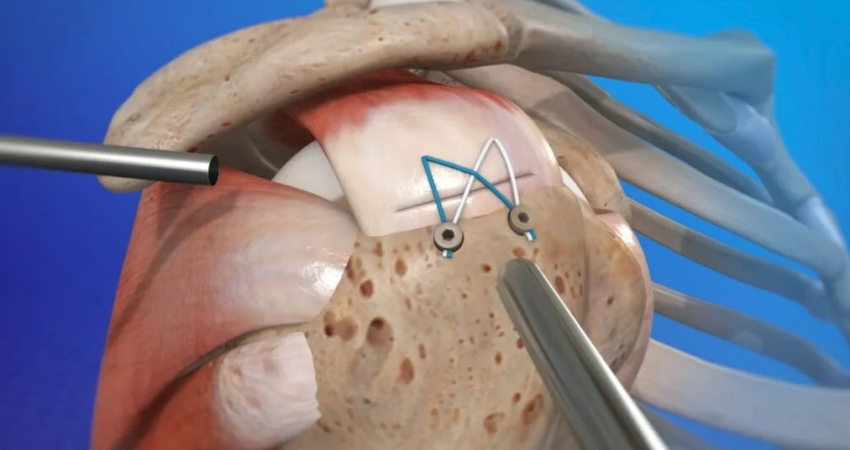
What Is Arthroscopic Shoulder Surgery?
Arthroscopic shoulder surgery is a keyhole surgical technique that allows an orthopedic surgeon to view the inside of the shoulder joint using a small camera. The arthroscope sends images to a monitor, allowing the surgeon to examine the joint and use specialised instruments through small incisions when treatment is required.
Depending on the condition, shoulder arthroscopy can be used to repair or treat damaged tissues while limiting the size of the surgical openings. However, arthroscopy is not appropriate for every shoulder problem. The correct procedure is selected after clinical assessment and imaging.
Conditions Treated With Shoulder Arthroscopy
Arthroscopic shoulder surgery may be recommended for selected shoulder conditions after a proper orthopedic evaluation. Common conditions that may be treated include:
- Rotator cuff tears
- Shoulder instability and recurrent dislocation
- Labral injuries and SLAP tears
- Shoulder impingement
- Cartilage damage and loose bodies
- Selected joint and soft-tissue problems
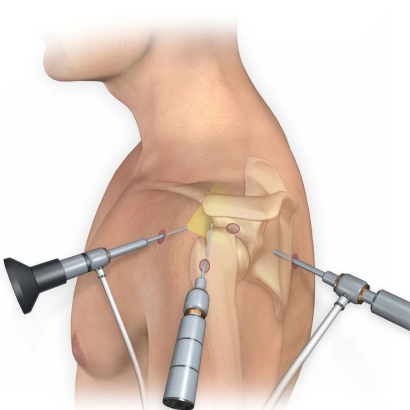
Types of Arthroscopic Shoulder Procedures
The type of arthroscopic shoulder surgery depends on the underlying diagnosis and the tissues affected. Depending on the individual case, procedures may include:
- Diagnostic shoulder arthroscopy
- Arthroscopic rotator cuff repair
- Shoulder labral repair
- Arthroscopic shoulder stabilisation
- Treatment of shoulder impingement
- Removal of loose bodies
Potential Benefits of Arthroscopic Shoulder Surgery
For appropriately selected patients, arthroscopic shoulder surgery can provide a minimally invasive approach to treating specific shoulder problems. The potential benefits depend on the procedure and individual patient factors.
- Smaller surgical incisions
- Direct visualisation of the shoulder joint
- Treatment of selected soft-tissue injuries
- Limited disturbance of surrounding tissues
- Procedure-specific rehabilitation
- Treatment tailored to the individual diagnosis
Arthroscopic surgery does not guarantee a particular recovery time or outcome. Recovery depends on the procedure performed, the extent of the injury, general health and adherence to the recommended rehabilitation plan.
When Should You Consider Shoulder Arthroscopy?
Persistent shoulder pain, weakness or restricted movement can affect everyday activities, work, exercise and sleep. An orthopedic evaluation may be appropriate when symptoms continue despite conservative treatment or when an injury is suspected.
Symptoms that may require assessment include persistent shoulder pain, recurrent dislocation, clicking or catching, weakness while lifting the arm, reduced range of motion, pain during sports or difficulty performing routine activities.
A detailed examination and appropriate imaging help determine whether physiotherapy, medication, injections, activity modification or arthroscopic shoulder surgery is suitable.
Recovery After Arthroscopic Shoulder Surgery
Recovery after shoulder arthroscopy varies according to the procedure. Some patients may begin gentle shoulder movement relatively early, while procedures such as rotator cuff repair or shoulder stabilisation may require a longer period of protection and structured rehabilitation.
Physiotherapy is commonly an important part of recovery. A rehabilitation programme may focus on restoring shoulder movement, gradually improving strength, protecting the repaired tissues and helping the patient return safely to daily activities, work or sport.
Follow your orthopedic surgeon's instructions regarding sling use, wound care, medication, exercises, activity restrictions and follow-up appointments. Contact your doctor promptly if you experience increasing redness, significant swelling, fever, wound discharge or other concerning symptoms.
Risks and Considerations of Shoulder Arthroscopy
Arthroscopic shoulder surgery is a surgical procedure and, like other operations, has potential risks. These may include infection, bleeding, stiffness, persistent pain, nerve or blood-vessel injury, anaesthesia-related complications and the possibility of requiring additional treatment.
The potential risks and expected benefits vary depending on the specific shoulder condition and procedure. Your orthopedic surgeon will discuss the available treatment options, expected recovery and procedure-specific risks before surgery.
Book a Consultation for Arthroscopic Shoulder Surgery in Faridabad
If you are experiencing persistent shoulder pain, weakness, instability, recurrent dislocation or difficulty moving your arm, an orthopedic assessment can help identify the underlying problem.
Consult Dr. Rakesh Kumar for an evaluation of your shoulder condition and to understand whether conservative treatment or arthroscopic shoulder surgery is appropriate for your condition.
- Phone: +91 - 956 087 2718
- Email: rkrahi2007@gmail.com
- Website: www.drrakeshortho.com
Frequently Asked Questions About Arthroscopic Shoulder Surgery
-
What is arthroscopic shoulder surgery?
Arthroscopic shoulder surgery is a minimally invasive procedure that uses a small camera and specialised instruments to examine and treat selected problems inside and around the shoulder joint.
-
What conditions can be treated with shoulder arthroscopy?
Shoulder arthroscopy may be used for selected rotator cuff tears, labral injuries, shoulder instability, impingement, cartilage problems, loose bodies and certain other shoulder conditions.
-
Is arthroscopic shoulder surgery suitable for everyone?
No. The suitability of shoulder arthroscopy depends on the diagnosis, severity of the condition, symptoms, activity level and overall health. An orthopedic examination and appropriate imaging are required to determine the most suitable treatment.
-
Can rotator cuff tears be treated with shoulder arthroscopy?
Selected rotator cuff tears can be treated using arthroscopic repair. The appropriate treatment depends on the size and location of the tear, symptoms, tissue condition, activity level and findings during clinical and imaging assessment.
-
How long does recovery take after shoulder arthroscopy?
Recovery varies according to the procedure performed. Simple arthroscopic procedures may recover sooner, while rotator cuff repair and shoulder stabilisation procedures generally require a longer and structured rehabilitation programme.
-
Will I need physiotherapy after shoulder arthroscopy?
Physiotherapy is commonly an important part of recovery after shoulder arthroscopy. It helps restore range of motion, strength, shoulder stability and functional movement according to the surgical procedure.
-
Is shoulder arthroscopy less painful than open surgery?
Arthroscopic procedures use smaller surgical openings, but pain and recovery vary according to the procedure and individual patient. Appropriate pain management and rehabilitation are important parts of recovery.
-
What are the risks of arthroscopic shoulder surgery?
Possible risks include infection, bleeding, stiffness, persistent pain, nerve or blood-vessel injury, anaesthesia-related complications and the possible need for additional treatment. Individual risks depend on the procedure and overall health.
-
When should I see an orthopedic surgeon for shoulder pain?
An orthopedic assessment may be appropriate for persistent shoulder pain, weakness, recurrent dislocation, instability, clicking, restricted movement or symptoms that interfere with work, sleep, exercise or daily activities.