- Email: rkrahi2007@gmail.com
- Call: +91 95608 72718

Shoulder Instability /
Dislocation Surgery in Faridabad
Shoulder Instability / Dislocation Surgery in Faridabad
Shoulder instability occurs when the shoulder joint becomes loose or repeatedly moves out of its normal position. A shoulder dislocation happens when the upper end of the arm bone completely comes out of the shoulder socket, while a partial displacement is known as a subluxation.
Shoulder instability may develop after an injury, sports-related trauma, a fall or a previous shoulder dislocation. Damage to the labrum, ligaments or other stabilising structures can increase the risk of recurrent dislocation and ongoing shoulder instability.
At Dr. Rakesh Kumar Orthopedic Clinic, patients with shoulder instability are evaluated through a detailed clinical examination and appropriate imaging when required. Depending on the severity of the injury, number of dislocations, activity level and associated damage, treatment may include physiotherapy, activity modification or shoulder stabilisation surgery.
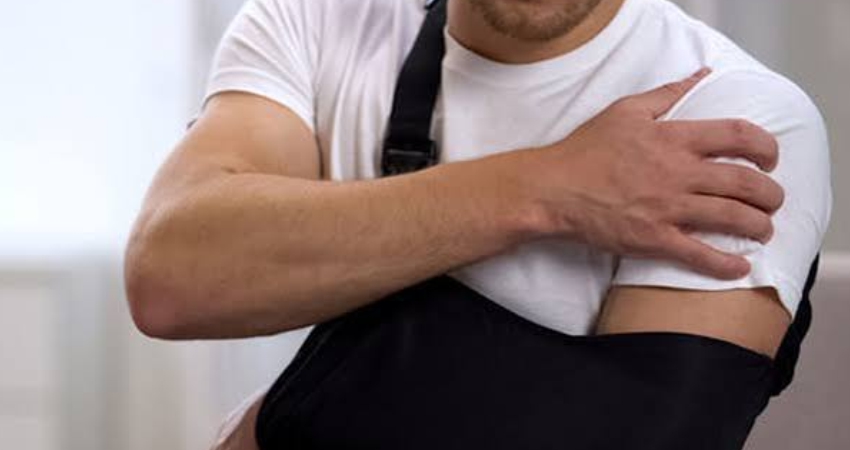
What Is Shoulder Instability?
The shoulder is a highly mobile ball-and-socket joint. Because it allows a wide range of movement, it depends on muscles, tendons, ligaments and the labrum to maintain stability.
Shoulder instability occurs when these stabilising structures are stretched, damaged or unable to adequately control movement of the joint. It may result from a single traumatic dislocation or repeated shoulder injuries.
Patients with shoulder instability may experience a feeling that the shoulder is slipping, giving way or moving out of position. Some patients may also experience recurrent dislocations or subluxations during sports, overhead movements or routine activities.
Causes of Shoulder Dislocation and Instability
Shoulder instability can occur because of traumatic injuries or repeated stress on the stabilising structures of the shoulder. Common causes include:
- Sports-related shoulder injuries
- Falls or direct trauma
- Previous shoulder dislocation
- Repetitive overhead activity
- Labral or ligament injuries
- Shoulder joint or bone abnormalities
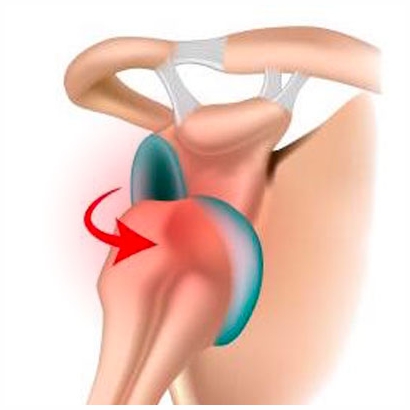
Symptoms of Shoulder Instability and Dislocation
Symptoms can vary depending on the type and severity of shoulder instability. Recurrent symptoms should be evaluated by an orthopedic specialist to identify possible damage to the shoulder's stabilising structures.
- Recurrent shoulder dislocation
- Shoulder subluxation or slipping sensation
- Shoulder pain
- Feeling of shoulder instability
- Weakness during arm movements
- Difficulty with sports or overhead activities
Diagnosis of Shoulder Instability
Diagnosis begins with a detailed medical history and physical examination. The orthopedic assessment may focus on shoulder movement, stability, previous dislocation episodes and the patient's activity level.
Depending on the symptoms and suspected injury, imaging tests may be recommended. X-rays can help evaluate the bones and joint alignment, while MRI or other imaging may be used to assess soft-tissue structures such as the labrum, ligaments and rotator cuff.
Accurate diagnosis helps determine whether non-surgical management or shoulder stabilisation surgery is appropriate for the individual patient.
Shoulder Instability Treatment in Faridabad
Treatment for shoulder instability depends on the cause of instability, the severity of the injury, the number of previous dislocations, age, activity level and associated shoulder damage.
Some patients may be treated without surgery through activity modification, pain management and physiotherapy. Surgery may be considered when instability continues, dislocations recur or significant structural damage requires surgical repair.
- Activity modification
- Physiotherapy and strengthening
- Shoulder stability exercises
- Appropriate pain management
- Arthroscopic shoulder stabilisation
- Surgical repair of selected shoulder injuries
Shoulder Instability and Dislocation Surgery
Shoulder instability surgery aims to repair or address damaged structures that contribute to recurrent dislocation or instability. The exact procedure depends on the type of injury, location of the damage and condition of the shoulder joint.
Arthroscopic shoulder stabilisation is a minimally invasive approach in which a small camera and specialised instruments are inserted through small incisions. It may be used to repair selected labral and soft-tissue injuries.
In some patients, other surgical techniques may be required depending on bone loss, previous surgery, the severity of instability or other structural problems. The appropriate procedure is determined after clinical assessment and imaging.
Arthroscopic Bankart Repair
A Bankart injury involves damage to the labrum and stabilising tissues around the front portion of the shoulder socket, commonly following an anterior shoulder dislocation.
Arthroscopic Bankart repair may be considered for selected patients with recurrent anterior shoulder instability. During the procedure, the damaged labral tissue and associated structures may be repaired and secured to help restore shoulder stability.
The suitability of Bankart repair depends on factors such as the extent of soft-tissue damage, bone loss, previous dislocations, activity level and overall shoulder condition.
Potential Benefits of Shoulder Stabilisation Surgery
For appropriately selected patients, surgical stabilisation may help address structural problems responsible for recurrent shoulder instability. Expected results vary according to the type of injury, surgical procedure and rehabilitation.
- Treatment of selected labral injuries
- Repair of damaged stabilising tissues
- Minimally invasive approach when appropriate
- Potential improvement in shoulder stability
- Structured postoperative rehabilitation
- Individualised treatment planning
Surgery does not guarantee that future dislocation will never occur. The outcome depends on the nature of the injury, surgical repair, patient factors and adherence to the rehabilitation programme.
When Is Shoulder Dislocation Surgery Recommended?
Not every shoulder dislocation requires surgery. Initial management may include reduction of the dislocated joint, immobilisation, pain management and rehabilitation depending on the injury.
Surgery may be considered when a patient experiences recurrent dislocations, persistent instability or significant damage to the labrum, ligaments or bones of the shoulder.
Active individuals and athletes with repeated instability may require a detailed orthopedic assessment to determine the most suitable treatment. The decision for surgery should be based on the specific injury and individual clinical findings.
Recovery After Shoulder Instability Surgery
Recovery after shoulder stabilisation or dislocation surgery varies depending on the procedure performed and the extent of the original injury. A sling may be recommended during the initial healing period to protect the repaired tissues.
Rehabilitation generally progresses gradually. Early exercises may focus on controlled shoulder movement, followed by progressive strengthening and functional exercises according to the healing process.
Physiotherapy is commonly an important part of recovery. Patients should follow their orthopedic surgeon's instructions regarding sling use, exercises, lifting restrictions, sports activities and follow-up visits.
Risks and Considerations of Shoulder Dislocation Surgery
Shoulder instability surgery is a surgical procedure and, like other operations, has potential risks. These may include infection, bleeding, stiffness, persistent pain, nerve or blood-vessel injury and anaesthesia-related complications.
Recurrent instability or dislocation can also occur after surgery. Additional treatment may sometimes be required depending on healing, the original injury and individual patient factors.
Your orthopedic surgeon will discuss the expected benefits, treatment alternatives, recovery process and procedure-specific risks before surgery.
Book a Consultation for Shoulder Instability / Dislocation Surgery in Faridabad
If you have experienced repeated shoulder dislocation, shoulder slipping, instability, pain or difficulty using your arm after a previous injury, an orthopedic evaluation can help identify the underlying problem.
Consult Dr. Rakesh Kumar for an assessment of your shoulder condition and to understand whether physiotherapy, conservative treatment or shoulder stabilisation surgery may be appropriate for your condition.
- Phone: +91 - 956 087 2718
- Email: rkrahi2007@gmail.com
- Website: www.drrakeshortho.com
Frequently Asked Questions About Shoulder Instability and Dislocation Surgery
-
What is shoulder instability?
Shoulder instability occurs when the shoulder joint becomes excessively loose or is unable to remain properly positioned within the socket. It may develop after a dislocation, injury or repeated strain.
-
What is a shoulder dislocation?
A shoulder dislocation occurs when the head of the upper arm bone moves completely out of its normal position in the shoulder socket. A partial displacement is called a shoulder subluxation.
-
When is shoulder dislocation surgery recommended?
Surgery may be considered for selected patients with recurrent shoulder dislocations, persistent instability, significant labral or ligament injuries, bone loss or symptoms that continue despite appropriate non-surgical treatment.
-
What is arthroscopic shoulder stabilisation?
Arthroscopic shoulder stabilisation is a minimally invasive procedure used to repair selected damaged tissues and improve stability of the shoulder joint. The exact procedure depends on the underlying injury.
-
What is Bankart repair?
Bankart repair is a procedure used to repair a damaged labrum and associated soft tissues at the front of the shoulder socket, particularly in selected patients with recurrent anterior shoulder instability.
-
How long does recovery take after shoulder dislocation surgery?
Recovery varies according to the type of injury and surgical procedure. Rehabilitation usually progresses gradually, with movement and strengthening exercises introduced according to healing and the surgeon's instructions.
-
Will physiotherapy be required after shoulder stabilisation surgery?
Physiotherapy is commonly an important part of recovery after shoulder stabilisation surgery. It helps gradually restore movement, strength, stability and shoulder function.
-
Can shoulder instability happen again after surgery?
Recurrent instability can occur after shoulder surgery. The likelihood depends on factors such as the original injury, associated bone or soft-tissue damage, surgical procedure, activity level and rehabilitation.
-
What are the risks of shoulder instability surgery?
Potential risks include infection, bleeding, stiffness, persistent pain, nerve or blood-vessel injury, recurrent instability, anaesthesia-related complications and the possibility of additional treatment.
-
When should I see an orthopedic surgeon for shoulder instability?
An orthopedic assessment may be appropriate after a shoulder dislocation, recurrent shoulder slipping, repeated instability, persistent pain, weakness or difficulty performing sports and everyday activities.