- Email: rkrahi2007@gmail.com
- Call: +91 95608 72718

Robotic Hip Replacement
in Faridabad, Delhi NCR
Robotic Hip Replacement in Faridabad, Delhi NCR
Robotic hip replacement is a technology-assisted approach to hip replacement surgery that combines advanced imaging, computer-assisted planning, and robotic guidance with the expertise of an orthopedic surgeon. It may be considered for patients with advanced hip arthritis, joint damage, persistent pain, stiffness, and difficulty with walking or daily activities.
The goal of hip replacement surgery is to remove the damaged portions of the hip joint and replace them with artificial components to relieve pain and improve mobility. Robotic assistance can help the surgeon plan the procedure according to the patient's individual anatomy and execute the planned positioning of the implant with greater precision.
At Dr. Rakesh Kumar Orthopedic Clinic, treatment begins with a detailed evaluation of your symptoms, physical examination, X-rays or other imaging when required, medical history, activity level, and treatment goals. Your orthopedic surgeon will determine whether hip replacement and robotic-assisted technology are appropriate for your condition.
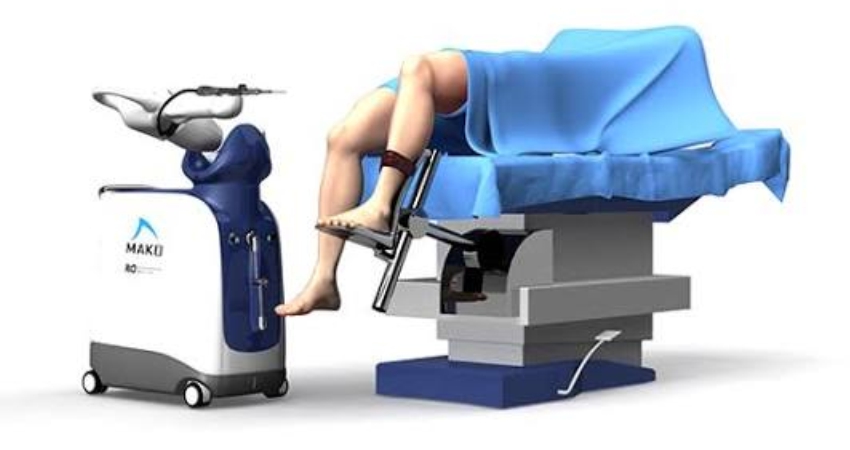
What Is Robotic Hip Replacement?
Robotic hip replacement is not a completely robot-operated surgery. The orthopedic surgeon remains responsible for the procedure and uses robotic technology as an advanced surgical assistance system. Before surgery, detailed planning can help determine the appropriate size, orientation, and positioning of the hip replacement components based on the patient's anatomy.
During surgery, robotic guidance may help the surgeon follow the pre-operative plan and assess implant positioning. The technology is designed to support surgical accuracy while allowing the surgeon to make clinical decisions throughout the procedure.
Robotic assistance is not required or suitable for every patient. The decision depends on the severity of hip damage, bone quality, anatomy, medical condition, implant requirements, and the surgeon's assessment.
Conditions That May Require Hip Replacement
Hip replacement may be considered when severe joint damage causes persistent pain and limits mobility despite appropriate non-surgical treatment.
- Advanced hip osteoarthritis
- Severe hip joint pain and stiffness
- Femoral head damage or collapse
- Avascular necrosis of the hip
- Certain hip fractures
- Significant joint damage affecting mobility
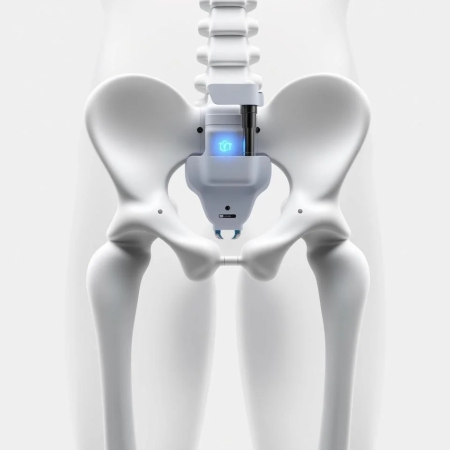
Types of Hip Replacement Procedures
The appropriate hip replacement procedure depends on the patient's diagnosis, age, activity level, bone quality, anatomy, and overall health. Your surgeon will recommend the most suitable approach after evaluation.
- Total hip replacement
- Robotic-assisted hip replacement
- Computer-assisted hip replacement
- Hip replacement for advanced arthritis
- Hip replacement for selected femoral head conditions
- Hip replacement for selected fracture cases
Potential Benefits of Robotic Hip Replacement
Robotic-assisted technology may provide detailed surgical planning and computer-guided assistance during hip replacement. The potential benefits depend on the individual patient, surgical technique, implant system, and overall treatment plan.
- Detailed pre-operative planning
- Patient-specific surgical planning
- Computer-assisted implant positioning
- Robotic guidance during selected procedures
- Focus on accurate component placement
- Treatment tailored to individual anatomy
Robotic technology does not eliminate the normal risks of hip replacement surgery. Possible complications can include infection, bleeding, blood clots, dislocation, implant-related problems, nerve or blood-vessel injury, differences in leg length, persistent pain, stiffness, and the possible need for additional treatment. Your surgeon will discuss the expected benefits, risks, alternatives, and recovery before surgery.
Recovery After Robotic Hip Replacement
Recovery after robotic hip replacement varies depending on the patient's age, overall health, muscle strength, surgical technique, implant type, and rehabilitation progress. Many patients are encouraged to begin movement and walking under professional guidance soon after surgery.
Physiotherapy plays an important role in restoring hip strength, movement, balance, and confidence. Your rehabilitation programme may include walking exercises, strengthening exercises, mobility training, and gradual return to daily activities.
Follow your surgeon's instructions regarding wound care, medications, walking, exercises, sleeping positions, driving, and follow-up appointments. Seek prompt medical advice for fever, wound drainage, increasing redness, severe swelling, calf pain, chest pain, or shortness of breath.
Book a Robotic Hip Replacement Consultation in Faridabad, Delhi NCR
Persistent hip pain, stiffness, difficulty walking, pain while climbing stairs, or reduced ability to perform daily activities should be evaluated by an orthopedic specialist. If medicines, physiotherapy, activity modification, or other non-surgical treatments are no longer providing adequate relief, hip replacement may be considered.
Consult Dr. Rakesh Kumar for an evaluation of your hip condition and to understand whether robotic-assisted hip replacement or another treatment option is appropriate for you.
- Phone: +91 - 956 087 2718
- Email: rkrahi2007@gmail.com
- Website: www.drrakeshortho.com
Frequently Asked Questions
-
What is robotic hip replacement?
Robotic hip replacement is a technology-assisted approach to hip replacement surgery. Advanced planning and robotic guidance may help the orthopedic surgeon position the hip replacement components according to the patient's anatomy and surgical plan.
-
Who may need robotic hip replacement?
Robotic-assisted hip replacement may be considered for patients with advanced hip arthritis, significant joint damage, persistent pain, stiffness, or reduced mobility when non-surgical treatments no longer provide adequate relief. Your orthopedic surgeon will determine whether it is suitable after evaluation.
-
What are the benefits of robotic hip replacement?
Robotic assistance may support detailed pre-operative planning, patient-specific surgical planning, and computer-guided positioning of hip replacement components. The potential benefits vary depending on the patient's condition, implant, surgical technique, and overall health.
-
Is robotic hip replacement better than conventional hip replacement?
Robotic assistance can provide additional planning and surgical guidance, but it does not automatically make one procedure better for every patient. The most appropriate approach depends on the patient's anatomy, diagnosis, implant requirements, surgeon assessment, and overall health.
-
Is robotic hip replacement minimally invasive?
Robotic assistance refers primarily to the planning and guidance technology used during surgery. The incision size and surgical approach depend on the patient's condition, anatomy, surgeon, and procedure. Robotic assistance itself does not necessarily mean smaller incisions.
-
How long does recovery take after hip replacement?
Recovery varies from person to person. Many patients begin walking with professional guidance soon after surgery, while strength, mobility, and complete recovery can take several weeks to months. Your surgeon and physiotherapist will provide a rehabilitation plan based on your progress.
-
Will I need physiotherapy after robotic hip replacement?
Physiotherapy is an important part of recovery for many patients. It helps improve hip movement, muscle strength, balance, walking ability, and confidence while supporting a gradual return to daily activities.
-
What are the risks of robotic hip replacement?
Like other major surgeries, hip replacement can involve risks such as infection, bleeding, blood clots, dislocation, implant-related complications, nerve or blood-vessel injury, differences in leg length, persistent pain, stiffness, and the possible need for additional treatment. Individual risks should be discussed with your surgeon before surgery.
-
When should I see an orthopedic surgeon for hip pain?
Consider an orthopedic assessment for persistent hip pain, stiffness, difficulty walking, pain during stairs or daily activities, reduced hip movement, or symptoms that affect sleep, work, or mobility. A specialist evaluation can help identify the cause and determine the appropriate treatment.