- Email: rkrahi2007@gmail.com
- Call: +91 95608 72718

Shoulder Replacement Including
Reverse Shoulder in Faridabad
Shoulder Replacement Including Reverse Shoulder in Faridabad
Shoulder replacement is a surgical procedure used to replace damaged parts of the shoulder joint with artificial components. It may be considered when severe shoulder joint damage causes persistent pain, stiffness and difficulty performing everyday activities.
Depending on the condition of the shoulder, different types of replacement procedures may be considered. These include conventional shoulder replacement and reverse shoulder replacement. The appropriate procedure depends on the condition of the joint, rotator cuff function, bone quality and overall patient factors.
At Dr. Rakesh Kumar Orthopedic Clinic, patients with advanced shoulder problems are evaluated through a detailed clinical examination and appropriate imaging. Treatment recommendations are based on the diagnosis, severity of joint damage, symptoms, activity level and individual treatment goals.
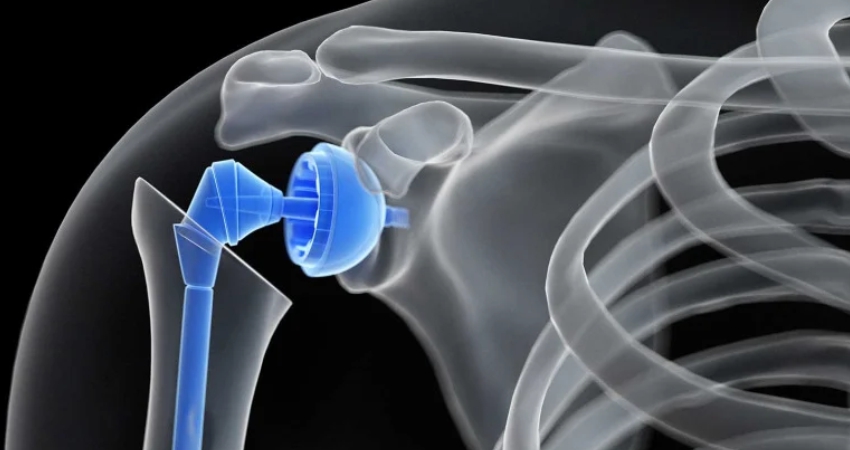
What Is Shoulder Replacement?
Shoulder replacement, also known as shoulder arthroplasty, involves replacing damaged portions of the shoulder joint with artificial components. The shoulder is a ball-and-socket joint that allows a wide range of arm movements.
Severe arthritis, advanced cartilage damage, certain fractures and other shoulder conditions can damage the joint surfaces and lead to pain and restricted movement. When appropriate non-surgical treatments no longer provide adequate relief, shoulder replacement may be considered.
The type of shoulder replacement is selected according to the condition of the joint and the function of the surrounding muscles and tendons, particularly the rotator cuff.
Types of Shoulder Replacement
Different shoulder replacement procedures may be used depending on the patient's diagnosis and condition. Common types include:
- Anatomic shoulder replacement
- Reverse shoulder replacement
- Partial shoulder replacement
- Shoulder replacement for selected fractures
- Revision shoulder replacement
- Procedure-specific joint reconstruction
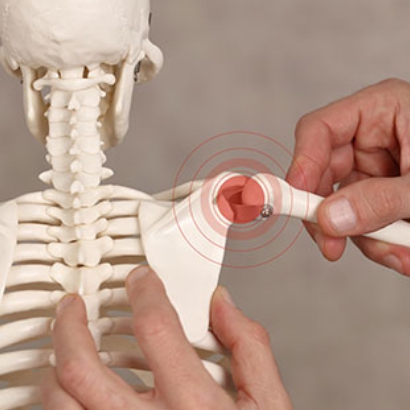
What Is Reverse Shoulder Replacement?
Reverse shoulder replacement is a specialised type of shoulder arthroplasty in which the normal arrangement of the shoulder joint is reversed. Instead of placing an artificial ball on the upper arm bone and a socket on the shoulder blade, the positions are reversed.
This configuration can allow the deltoid muscle to play a greater role in moving and stabilising the shoulder when the rotator cuff is severely damaged or no longer functioning adequately.
Reverse shoulder replacement may be considered for selected patients with rotator cuff deficiency, cuff tear arthropathy, certain complex fractures or other conditions where conventional shoulder replacement may not be appropriate.
Conditions That May Require Shoulder Replacement
Shoulder replacement is generally considered when significant joint damage causes persistent symptoms and affects shoulder function. Conditions that may be evaluated for shoulder replacement include:
- Severe shoulder osteoarthritis
- Advanced shoulder joint damage
- Rotator cuff tear arthropathy
- Severe rheumatoid arthritis
- Certain complex shoulder fractures
- Selected failed previous shoulder procedures
Symptoms That May Lead to Shoulder Replacement
Advanced shoulder joint problems can significantly affect movement and everyday activities. An orthopedic evaluation may be appropriate when symptoms become persistent or progressively interfere with daily life.
- Persistent shoulder pain
- Severe shoulder stiffness
- Difficulty lifting the arm
- Reduced range of motion
- Shoulder weakness
- Difficulty with daily activities
Potential Benefits of Shoulder Replacement
For appropriately selected patients, shoulder replacement may help reduce pain and improve shoulder function. The expected outcome varies according to the underlying condition, type of replacement, muscle function, rehabilitation and individual health factors.
- Potential reduction in shoulder pain
- Improved shoulder movement
- Improved ability to perform daily activities
- Treatment of damaged joint surfaces
- Individualised surgical planning
- Structured postoperative rehabilitation
Shoulder replacement does not guarantee a particular outcome or recovery period. Results depend on several factors, including the condition of the shoulder, type of implant, muscle function and adherence to rehabilitation.
Reverse Shoulder Replacement vs Conventional Shoulder Replacement
Conventional or anatomic shoulder replacement is designed to reproduce the normal anatomy of the shoulder joint. It may be considered when the joint is damaged but the rotator cuff remains functional.
Reverse shoulder replacement changes the arrangement of the shoulder joint and may be considered when the rotator cuff is severely damaged or insufficient. The reverse design allows the deltoid muscle to contribute more significantly to shoulder movement.
The choice between anatomic and reverse shoulder replacement is based on clinical examination, imaging, rotator cuff function, bone condition, symptoms and other individual factors.
When Is Shoulder Replacement Surgery Recommended?
Shoulder replacement may be considered when advanced shoulder joint damage causes persistent pain, stiffness and functional limitations despite appropriate non-surgical treatment.
The decision for surgery depends on the severity of joint damage, symptoms, response to conservative treatment, rotator cuff condition, bone quality, age, activity level and overall health.
A detailed orthopedic assessment and appropriate imaging are important before deciding whether shoulder replacement or another treatment option is suitable.
Recovery After Shoulder Replacement Surgery
Recovery after shoulder replacement varies from patient to patient and depends on the type of replacement, underlying condition, surgical findings and individual healing response.
During the early recovery period, the shoulder may require protection and a sling may be recommended. Gradual exercises are introduced according to the surgical plan and healing progress.
Physiotherapy is an important part of rehabilitation for many patients. The programme may focus on gradually restoring shoulder movement, improving strength and helping the patient return to appropriate daily activities.
Follow your orthopedic surgeon's instructions regarding sling use, wound care, medication, exercises, lifting restrictions and follow-up visits.
Risks and Considerations of Shoulder Replacement
Shoulder replacement is a surgical procedure and, like other operations, has potential risks. These may include infection, bleeding, stiffness, nerve or blood-vessel injury and anaesthesia-related complications.
Other procedure-specific complications may include instability, implant wear or loosening, fracture around the implant and the possibility of additional surgery. Individual risks vary according to the type of shoulder replacement and the patient's overall health.
Your orthopedic surgeon will discuss the expected benefits, limitations, recovery process and procedure-specific risks before surgery.
Book a Consultation for Shoulder Replacement in Faridabad
If persistent shoulder pain, stiffness, weakness or restricted movement is affecting your sleep, work or everyday activities, an orthopedic evaluation can help identify the underlying joint problem.
Consult Dr. Rakesh Kumar for an assessment of your shoulder condition and to understand whether conventional shoulder replacement, reverse shoulder replacement or another treatment option may be appropriate for you.
- Phone: +91 - 956 087 2718
- Email: rkrahi2007@gmail.com
- Website: www.drrakeshortho.com
Frequently Asked Questions About Shoulder Replacement
-
What is shoulder replacement surgery?
Shoulder replacement is a surgical procedure in which damaged portions of the shoulder joint are replaced with artificial components. It may help reduce pain and improve shoulder function in appropriately selected patients.
-
What is reverse shoulder replacement?
Reverse shoulder replacement is a type of shoulder replacement in which the normal ball-and-socket arrangement of the shoulder is reversed. It may be suitable for selected patients with severe rotator cuff damage and certain complex shoulder problems.
-
Who may need shoulder replacement surgery?
Shoulder replacement may be considered for selected patients with severe arthritis, advanced joint damage, certain complex fractures, failed previous shoulder surgery or other conditions causing significant pain and loss of function.
-
When is reverse shoulder replacement recommended?
Reverse shoulder replacement may be considered when severe shoulder joint damage is associated with an insufficient or irreparable rotator cuff, particularly when pain and loss of shoulder function affect daily activities.
-
How long does recovery take after shoulder replacement?
Recovery varies depending on the type of shoulder replacement, underlying condition, general health and rehabilitation. A structured physiotherapy programme is commonly required during recovery.
-
Will physiotherapy be needed after shoulder replacement?
Physiotherapy is commonly an important part of recovery after shoulder replacement. It helps gradually restore movement, strength and shoulder function while protecting the joint during healing.
-
Is reverse shoulder replacement suitable for everyone?
No. The suitability of reverse shoulder replacement depends on the underlying shoulder condition, rotator cuff function, bone quality, symptoms, overall health and other individual factors. A detailed orthopedic evaluation is required.
-
What are the risks of shoulder replacement surgery?
Potential risks include infection, bleeding, stiffness, nerve or blood-vessel injury, instability, implant-related complications, anaesthesia-related complications and the possibility of additional treatment.
-
When should I see an orthopedic surgeon for shoulder pain?
An orthopedic assessment may be appropriate for persistent shoulder pain, severe stiffness, weakness, restricted movement or symptoms that interfere with sleep, work, exercise or everyday activities.