- Email: rkrahi2007@gmail.com
- Call: +91 95608 72718

Shoulder Instability / Dislocation
Shoulder Instability / Dislocation in Faridabad
Shoulder Instability / Dislocation in Faridabad is a common shoulder condition that may occur when the structures supporting the shoulder joint become stretched, injured or damaged. It can result in repeated episodes of the shoulder slipping out of position or completely dislocating.
The shoulder has a wide range of movement, which also makes it more susceptible to instability. A previous shoulder dislocation, sports injury, fall or trauma can sometimes damage the labrum, ligaments or bone and increase the risk of recurrent instability.
Dr. Rakesh Kumar provides evaluation and treatment for patients experiencing shoulder instability and dislocation in Faridabad. Treatment is selected according to the patient's symptoms, examination findings, imaging and activity requirements.
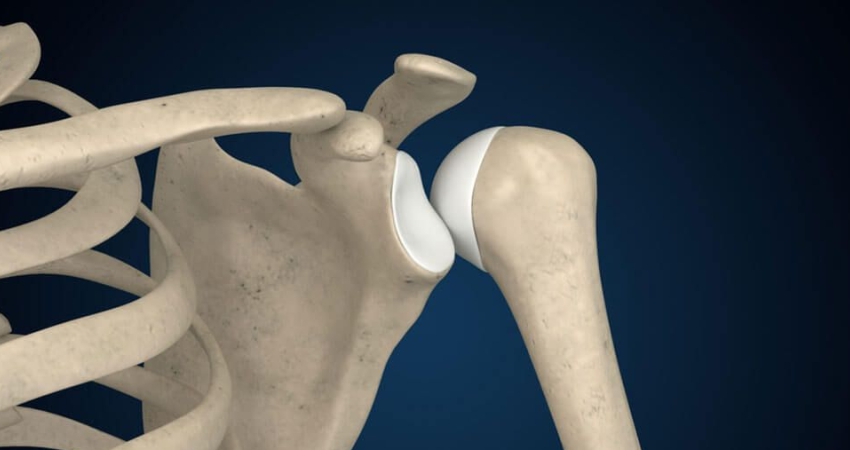
What is Shoulder Instability?
Shoulder instability occurs when the shoulder joint is unable to remain properly centered within its socket during movement. The condition may develop after an injury or repeated stress on the shoulder.
Some patients experience a sensation that the shoulder is slipping, while others may have partial dislocations known as subluxations or complete shoulder dislocations.
Common Causes of Shoulder Instability
- Previous shoulder dislocation
- Sports-related shoulder injuries
- Falls or direct trauma
- Labral or ligament injuries
- Damage to the shoulder socket or surrounding bone
- Repetitive overhead activities
- Loose or stretched shoulder-supporting tissues
Symptoms of Shoulder Instability / Dislocation
Symptoms can vary depending on whether the shoulder has experienced a single dislocation, recurrent dislocations or chronic instability. Common symptoms may include:
- Repeated shoulder dislocation
- Feeling that the shoulder may slip out of place
- Shoulder pain during movement
- Weakness in the affected arm
- Reduced confidence while using the shoulder
- Difficulty with overhead activities
- Limited shoulder movement after an injury
- Clicking, catching or unusual shoulder sensations
Diagnosis of Shoulder Instability
Accurate diagnosis is important to understand the reason behind shoulder instability or recurrent dislocation.
Evaluation may include a detailed medical history, physical examination and imaging tests when required.
- Clinical shoulder examination
- X-rays
- MRI or MR arthrogram when required
- CT scan for selected bone-related injuries
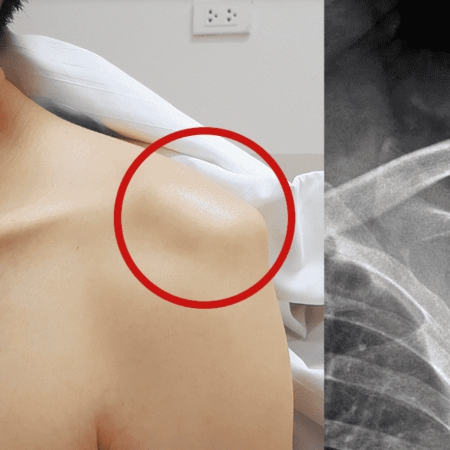
Treatment for Shoulder Instability / Dislocation
Treatment depends on the patient's age, activity level, cause of instability, number of dislocation episodes and the condition of the shoulder's supporting structures.
Non-Surgical Treatment
For selected patients, treatment may begin with activity modification, pain management and physiotherapy. Exercises can help improve shoulder strength, control and stability.
Surgical Treatment
Surgery may be considered when instability continues despite appropriate non-surgical treatment, when dislocations repeatedly occur or when significant structural damage is identified.
Depending on the injury, procedures may include arthroscopic stabilization, labral repair or other stabilization techniques. The appropriate procedure is decided after clinical and imaging evaluation.
Why Treat Recurrent Shoulder Dislocation?
Repeated shoulder dislocations can affect daily activities, sports and overall shoulder confidence. Timely assessment may help identify the underlying cause and determine an appropriate treatment plan.
- Helps identify the cause of recurrent instability
- Supports appropriate treatment planning
- May improve shoulder stability
- Can help restore functional shoulder movement
- May help patients return to suitable daily or sporting activities
Recovery After Shoulder Instability Treatment
Recovery depends on the severity of the injury and the treatment performed. Patients undergoing surgery generally require a period of protection followed by a structured rehabilitation program.
Physiotherapy focuses on gradually restoring shoulder movement, strength and stability. Return to sports or strenuous activities should be based on recovery and the treating surgeon's advice.
Consult an Orthopedic Surgeon for Shoulder Instability
If you have experienced repeated shoulder dislocations, a feeling of the shoulder slipping out or persistent shoulder instability after an injury, an orthopedic evaluation can help determine the underlying problem.
For patients looking for Shoulder Instability / Dislocation treatment in Faridabad, Dr. Rakesh Kumar provides evaluation and treatment planning based on individual symptoms and clinical findings.
Call +91 - 956 087 2718 or email rkrahi2007@gmail.com to schedule a consultation.
Frequently Asked Questions
-
What is shoulder instability?
Shoulder instability occurs when the structures that normally keep the shoulder stable are unable to adequately hold the joint in position. It may result in slipping, subluxation or complete dislocation.
-
What is a shoulder dislocation?
A shoulder dislocation occurs when the ball of the upper arm bone moves completely out of the shoulder socket. It commonly occurs following an injury or trauma.
-
What causes recurrent shoulder dislocation?
Recurrent dislocation can occur when an earlier injury has damaged the labrum, ligaments or bone that normally stabilize the shoulder joint.
-
What are the symptoms of shoulder instability?
Symptoms may include repeated dislocation, a feeling that the shoulder may slip out, pain, weakness, clicking and difficulty with certain movements.
-
Can shoulder instability be treated without surgery?
Some patients may improve with activity modification, physiotherapy and strengthening exercises. The treatment depends on the cause and severity of instability.
-
When is surgery considered for shoulder dislocation?
Surgery may be considered for recurrent dislocations, persistent instability or significant damage to the structures responsible for shoulder stability.
-
How long does recovery take after shoulder instability surgery?
Recovery varies according to the procedure and individual healing. Rehabilitation and physiotherapy are generally important parts of the recovery process.