- Email: rkrahi2007@gmail.com
- Call: +91 95608 72718

Robotic Cup Replacement
in Faridabad, Delhi NCR
Robotic Cup Replacement in Faridabad, Delhi NCR
Robotic cup replacement is a technology-assisted approach used during hip replacement surgery to help the orthopedic surgeon plan and position the acetabular cup, which forms the socket side of the artificial hip joint. Advanced computer planning and robotic guidance can assist with assessing the patient's anatomy and executing the planned implant position.
During total hip replacement, the damaged natural hip joint is replaced with artificial components. The acetabular cup is placed into the socket of the pelvis, while the femoral component replaces the damaged femoral head. Proper positioning of these components is an important part of hip replacement surgery.
At Dr. Rakesh Kumar Orthopedic Clinic, every treatment plan begins with a detailed assessment of your hip symptoms, examination findings, X-rays or other imaging, medical history, activity level, and treatment goals. Your orthopedic surgeon will determine whether robotic-assisted hip replacement is appropriate for your condition.
What Is Robotic Cup Replacement?
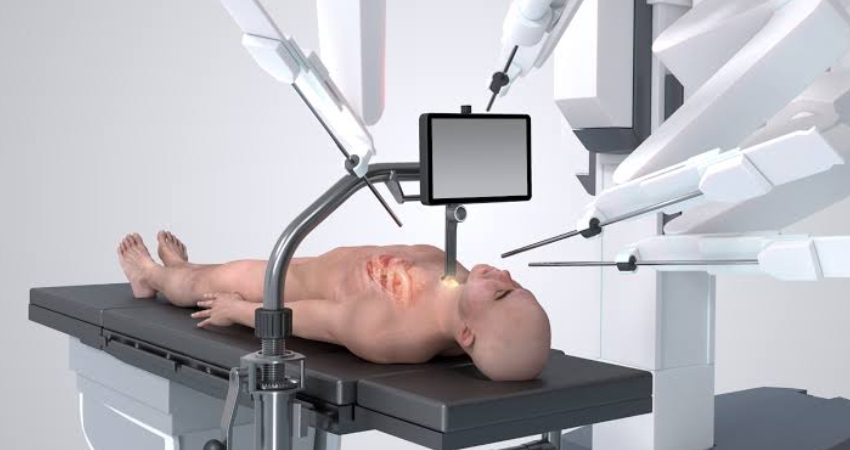
In a total hip replacement, the acetabular cup replaces the damaged socket portion of the hip joint. Robotic-assisted technology can be used to help create a detailed surgical plan and guide the surgeon while preparing the socket and positioning the cup.
Robotic systems do not independently perform the entire operation. The orthopedic surgeon remains responsible for the surgery and uses the technology as an additional planning and guidance tool. The system may help the surgeon assess the patient's anatomy, plan implant positioning, and execute the surgical plan.
Robotic cup positioning is not required for every hip replacement. The appropriate technique depends on the patient's anatomy, bone quality, hip condition, implant requirements, medical history, and surgeon's assessment.
Conditions That May Require Hip Replacement
Hip replacement may be recommended when severe joint damage causes persistent pain, stiffness, and reduced mobility despite appropriate non-surgical treatment.
- Advanced hip osteoarthritis
- Severe hip pain and stiffness
- Avascular necrosis of the femoral head
- Femoral head collapse or damage
- Certain complex hip fractures
- Severe joint damage affecting mobility
How Robotic Cup Replacement Is Planned
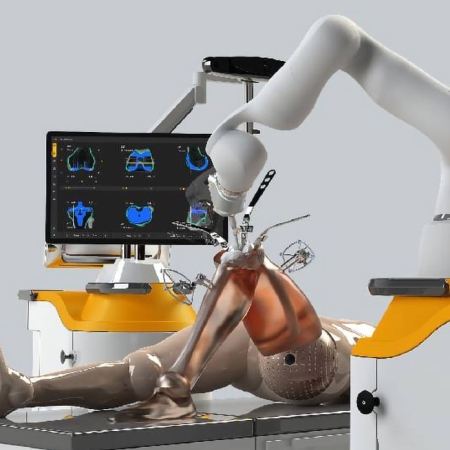
Robotic-assisted hip replacement begins with detailed pre-operative assessment and planning. Imaging and measurements can help the surgical team understand the patient's hip anatomy and determine an appropriate plan for positioning the acetabular cup and other implant components.
- Detailed pre-operative imaging
- Patient-specific surgical planning
- Assessment of hip anatomy
- Planned acetabular cup positioning
- Computer-assisted surgical guidance
- Surgeon-controlled implant placement
Potential Benefits of Robotic Cup Replacement
Robotic-assisted technology may provide additional planning and guidance during selected hip replacement procedures. Accurate implant positioning is an important consideration in hip replacement, although the outcome depends on several factors including surgical technique, implant selection, bone quality, rehabilitation, and the patient's overall health.
- Detailed surgical planning
- Patient-specific anatomical assessment
- Computer-assisted cup positioning
- Robotic guidance during selected procedures
- Focus on implant alignment
- Individualised surgical approach
Robotic assistance does not remove the normal risks associated with hip replacement surgery. Possible complications include infection, bleeding, blood clots, dislocation, implant-related problems, nerve or blood-vessel injury, differences in leg length, persistent pain, stiffness, and the need for further treatment. Your surgeon will discuss the individual risks, benefits, and alternatives before surgery.
Recovery After Robotic Hip Replacement
Recovery after robotic-assisted hip replacement varies from patient to patient. Factors such as age, general health, muscle strength, surgical technique, implant type, and rehabilitation can influence recovery.
Many patients are encouraged to begin movement and walking under professional guidance soon after surgery. Physiotherapy helps restore hip strength, movement, balance, walking ability, and confidence.
Follow your surgeon's instructions regarding weight-bearing, wound care, medications, exercises, driving, sleeping positions, and follow-up visits. Seek prompt medical attention for fever, wound drainage, increasing redness, severe swelling, calf pain, chest pain, or shortness of breath.
Book a Robotic Cup Replacement Consultation in Faridabad, Delhi NCR
Persistent hip pain, stiffness, difficulty walking, pain while climbing stairs, or reduced ability to perform daily activities may indicate significant hip joint damage. An orthopedic evaluation can help determine whether medication, physiotherapy, injections, activity modification, or hip replacement may be appropriate.
Consult Dr. Rakesh Kumar for a detailed assessment of your hip condition and to understand whether robotic-assisted cup positioning or another hip replacement approach is suitable for you.
- Phone: +91 - 956 087 2718
- Email: rkrahi2007@gmail.com
- Website: www.drrakeshortho.com
Frequently Asked Questions
-
What is robotic cup replacement?
Robotic cup replacement refers to the use of robotic-assisted technology during hip replacement surgery to help the surgeon plan and position the acetabular cup component within the hip socket according to the patient's anatomy and surgical plan.
-
What is an acetabular cup in hip replacement?
The acetabular cup is the socket component of a total hip replacement. It is placed into the pelvic side of the hip joint and works with the femoral component to create an artificial hip joint.
-
What are the benefits of robotic cup positioning?
Robotic-assisted technology may help with detailed pre-operative planning and guidance during positioning of the acetabular cup. Potential benefits depend on the patient's anatomy, implant system, surgical technique, and overall health.
-
Who may need robotic-assisted hip replacement?
Robotic-assisted hip replacement may be considered for selected patients with advanced hip arthritis, significant joint damage, femoral head conditions, or other problems requiring hip replacement. Suitability is determined after an orthopedic evaluation.
-
Is robotic cup replacement a completely robot-operated surgery?
No. The orthopedic surgeon remains responsible for the procedure. Robotic technology acts as a planning and surgical guidance tool that can assist with implant positioning during selected hip replacement procedures.
-
How long does recovery take after robotic hip replacement?
Recovery varies between patients and depends on the surgical procedure, general health, muscle strength, implant, and rehabilitation. Many patients begin walking with professional guidance soon after surgery, while complete recovery can take several weeks to months.
-
Will I need physiotherapy after robotic hip replacement?
Physiotherapy is commonly an important part of recovery. It helps restore hip movement, muscle strength, balance, walking ability, and confidence while supporting a gradual return to daily activities.
-
What are the risks of robotic cup replacement?
Like other hip replacement procedures, robotic-assisted surgery can involve risks such as infection, bleeding, blood clots, dislocation, implant-related complications, nerve or blood-vessel injury, differences in leg length, persistent pain, stiffness, and the possible need for additional treatment.
-
When should I see an orthopedic surgeon for hip pain?
An orthopedic assessment is recommended for persistent hip pain, stiffness, difficulty walking, reduced hip movement, pain during stairs or daily activities, or symptoms that interfere with sleep, work, exercise, or mobility.